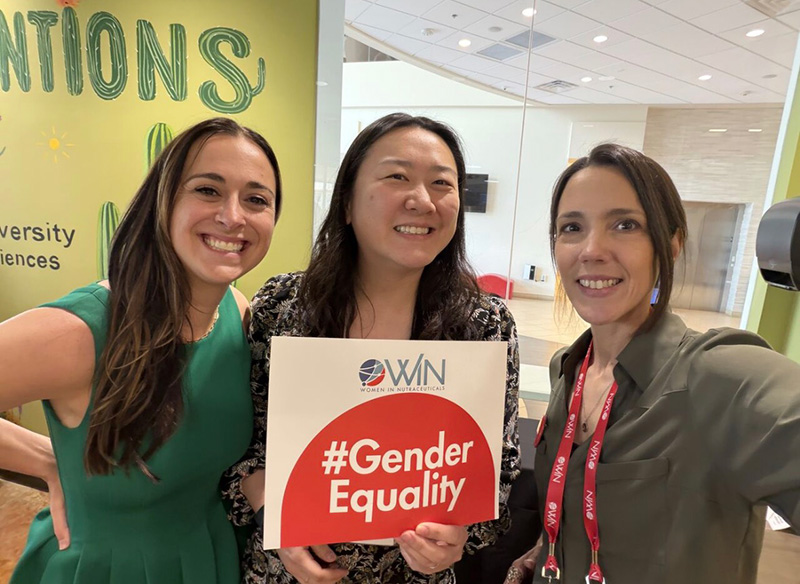
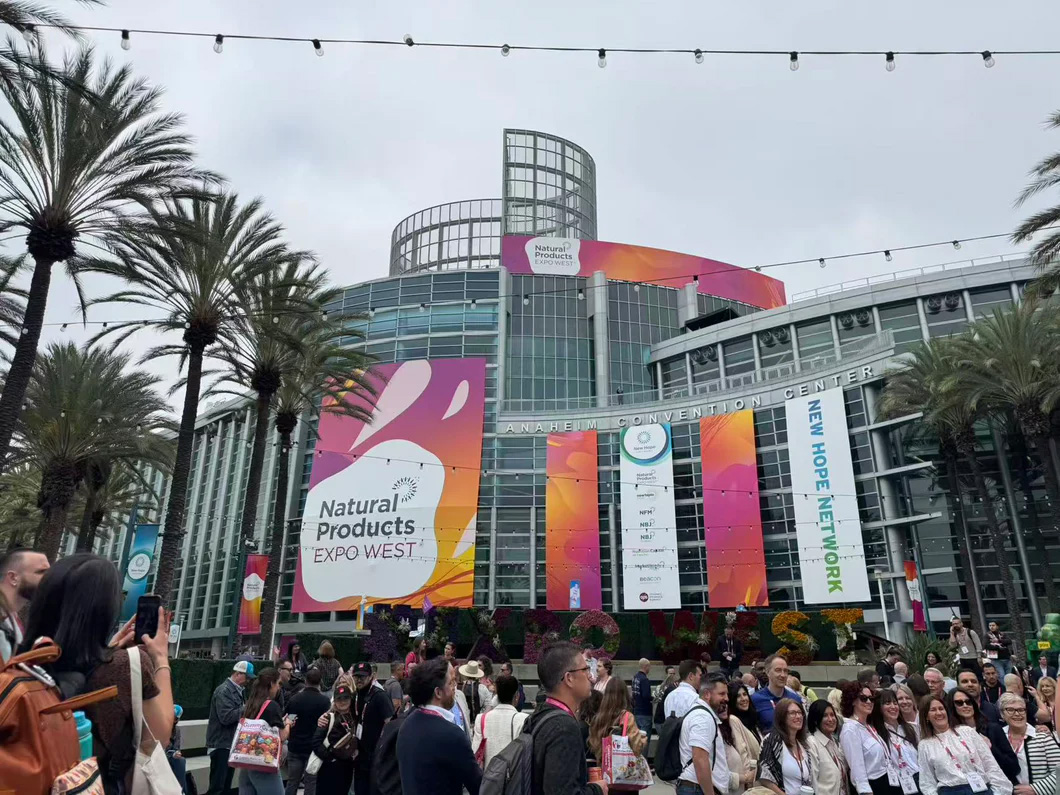
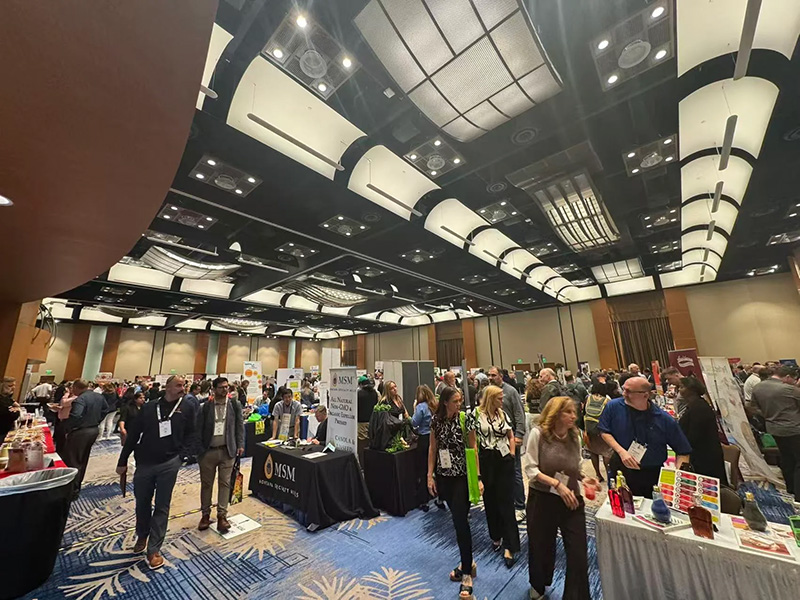
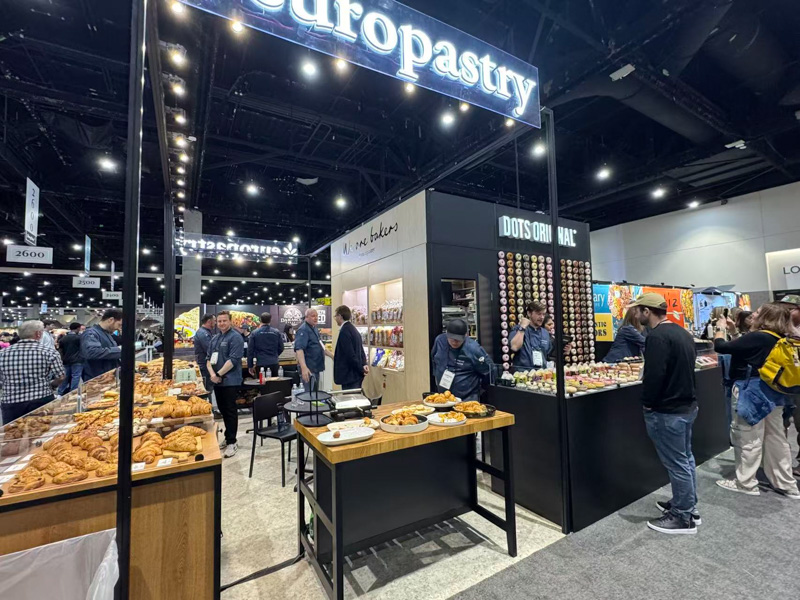
Diamond Nutriceutical is at Winter FancyFaire* 2026

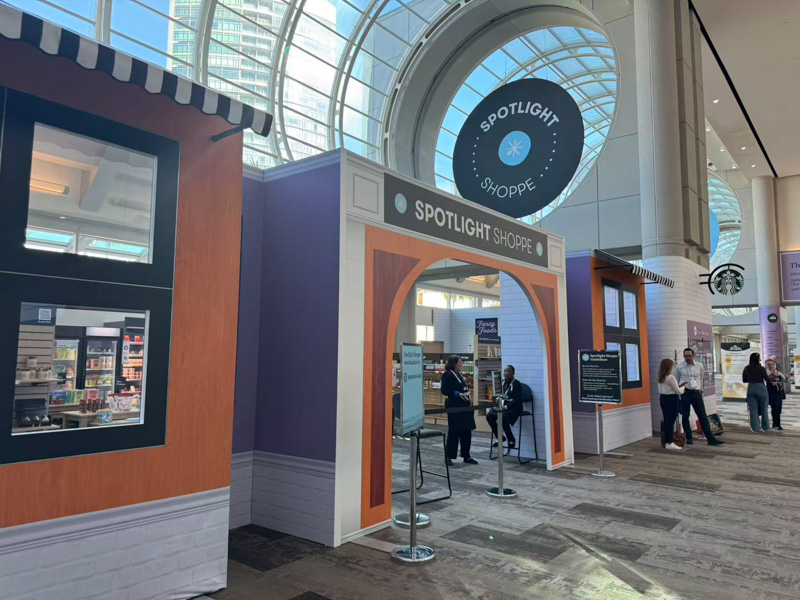
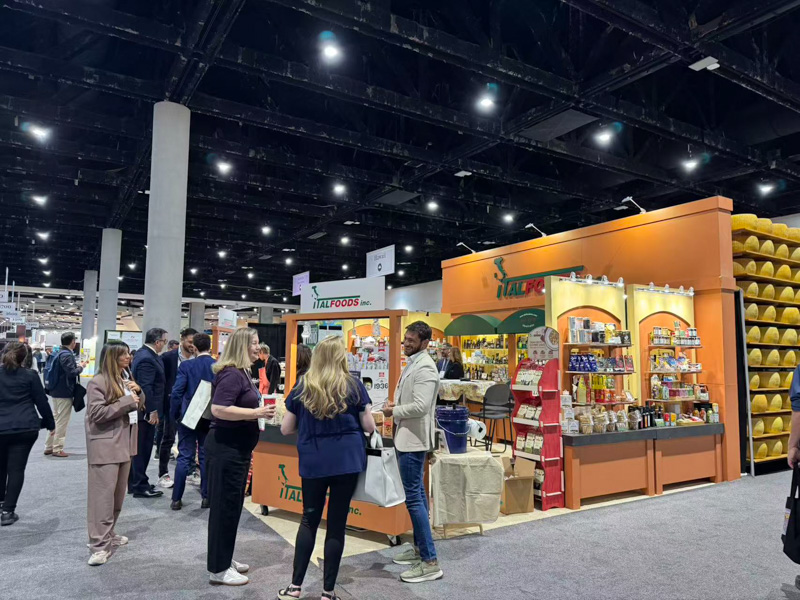
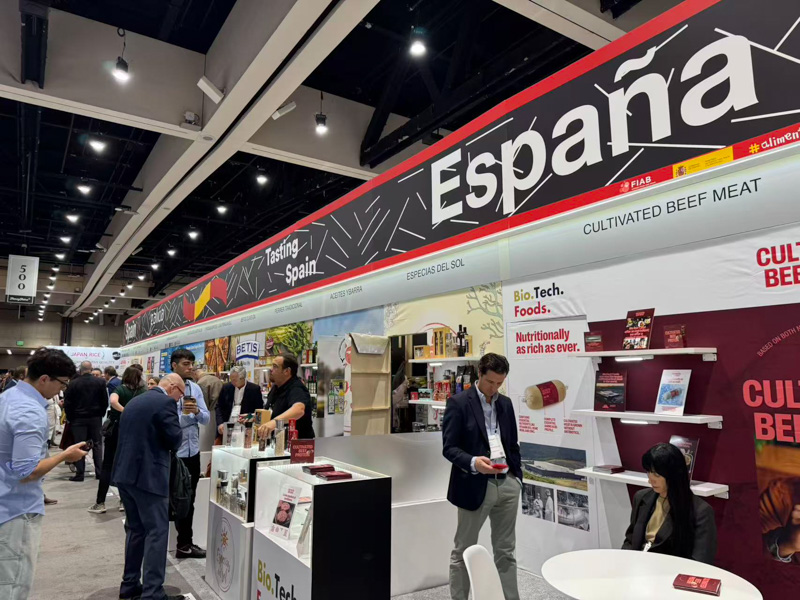
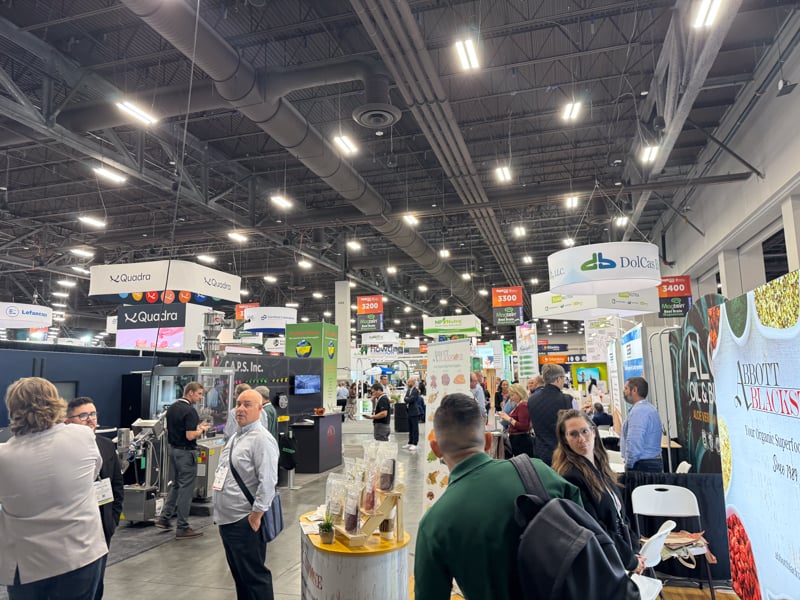
Twice a year, the Specialty Food Association (SFA) hosts Fancy Faire. It’s an event that introduces the best of the best food and beverage products to specialty food makers, buyers, retailers, distributors, media and industry innovators. 

In short, it connects people to providers of the BEST ingredients. 


Spotlight on Winter 2026

One of the most exciting things about Fancy Faire is the feeling that the world, or at least its food, is literally at your fingertips. The best of the best food isn’t limited to Southern California where the event is held. 

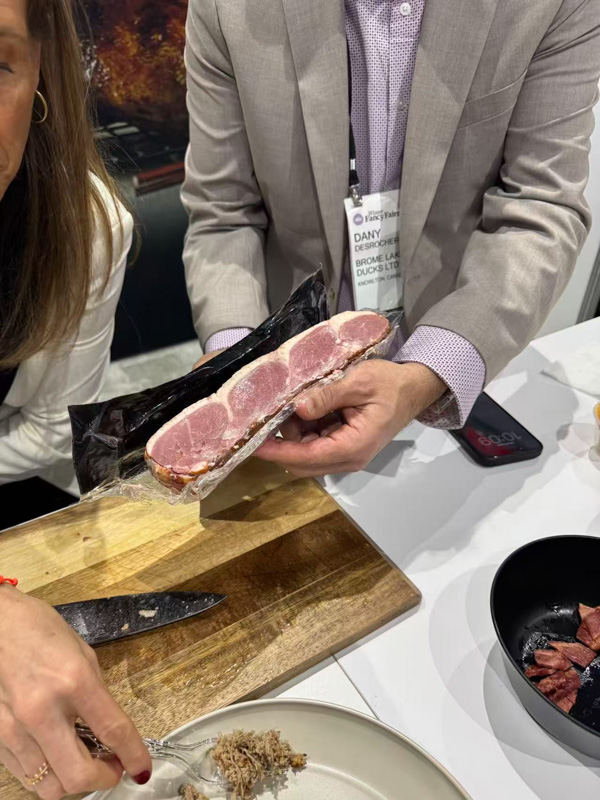
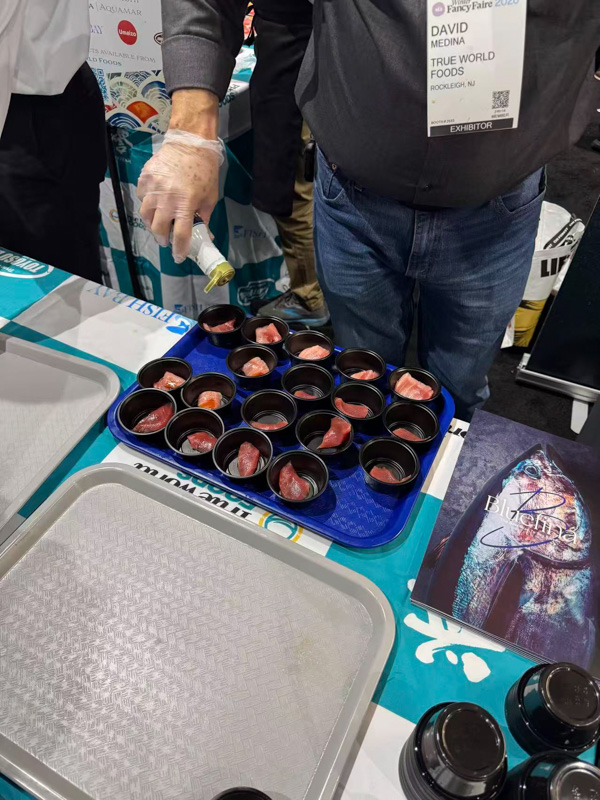
Specialists are showing off the absolute pinnacle of what Japan, Hawaii, Spain, Italy, Idaho, Wisconsin and other locations have to offer. 

Trends at Fancy Faire

Prebiotic and Probiotic Beverages

People are adding a bit of POP to their prebiotics and postbiotics. We love water but sometimes it’s just nice to mix things up and have a fun, fizzy beverage. As a result, brands are looking to not just make something that isn’t bad for you, but actually healthy. Is a drink with prebiotic fiber and probiotic strains as satisfying as your favorite soda? It’s definitely worth checking out. 

Hidden Vegetables

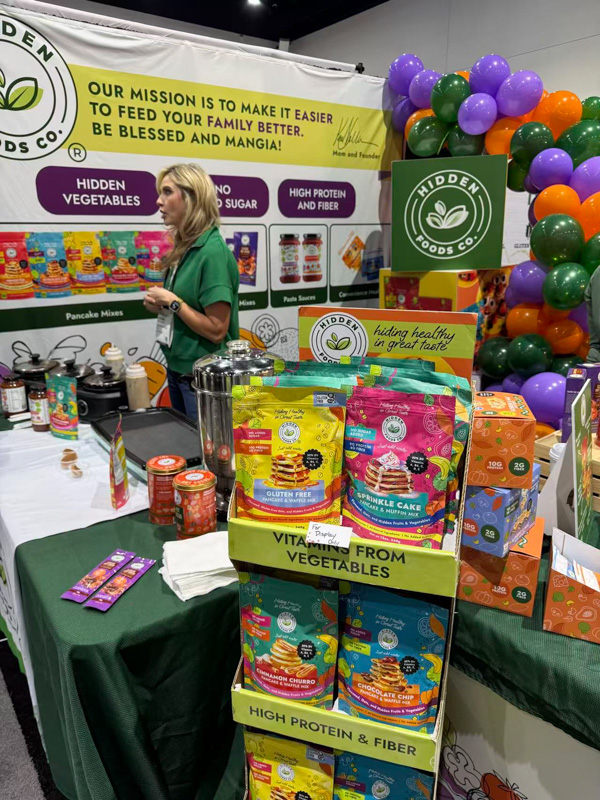
It’s never easy to get kids (and many adults) to eat their vegetables. Now, vegetables are increasingly inconspicuous in your favorite foods allowing you to get the nutritional value without the struggle. 

Vegetables were hiding in pancakes, soups and other pantry favorites. There was even a savory energy drink with flavors like chicken broth and tomato soup. Perfect for a pick-me-up on a cold winter day!


Food’s Global, Millennial Makeover

“Modern” is what the food scene is all about. Right? Not quite, as with Hollywood, fashion, and product design, millennial nostalgia is coming for your food. 

Top chefs are deconstructing and remixing all of our childhood favorites from the 80s and 90s with global flare. 

Examples

  • Retro favorites reinterpreted; cereals, granola, churros, and cookies are getting remixed for modern palates featuring ingredients like ube, miso, or pandan. 
  • South Asian flavors are being featured in ready-to-go meals or ice cream.
  • Southeast Asian flavors showing up in more sauces and desserts.
  • Chili crisps from different cultures and with new ingredients.


Do you have a favorite childhood food you hope gets a makeover? Let us know in the comments below!

2025 Giving Annual Roundup

2025 has been an incredibly eventful year where communities were challenged in areas of health, food insecurity, and questionable immigration enforcement. Through the Do Your Best initiative, we look to support organizations that can make a difference in key areas. Here are the organizations we were able to support in 2025. 


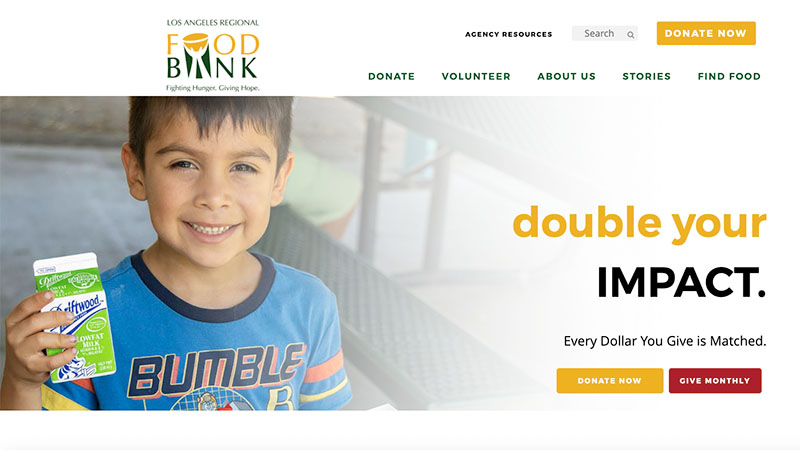
Los Angeles Regional Food Bank

This organization tackles food insecurity, one of the biggest issues in Los Angeles where 1 in 4 residents reports having faced food insecurity this year. 

In the 50 plus years the LA Food Bank has been operating, they’ve provided more than 1.6 billion meals

Help Them Provide Meals Here


Immigrant Defender’s Law Center

Diamond Nutriceutical supports a country where people have equal rights regardless of race or national origin. So we support the work of and donate to the Immigrant Defender’s Law Center

This organization composed of immigration lawyers and advocates protects our immigrant communities against injustices in the immigration system. Donations allow them to provide FREE legal services to those in need and their work is more important now than it ever has been. 


Support Immigrant Defender’s Law Center


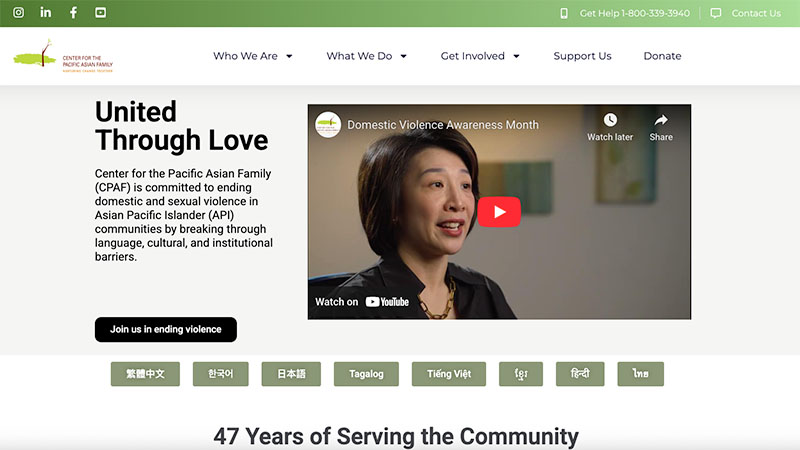
Center for the Pacific Asian Family

Domestic and sexual violence are serious issues that can be even more challenging in Asian communties due to language barriers, issues of immigration status or the fact that it can just be really difficult to discuss. 

Center for the Pacific Asian Family provides a 24-Hour Crisis hotline available in 30 Asian and Pacific Islander languages, transitional & emergency shelter, counseling, and case management. 


Help Them Protect Survivors Here


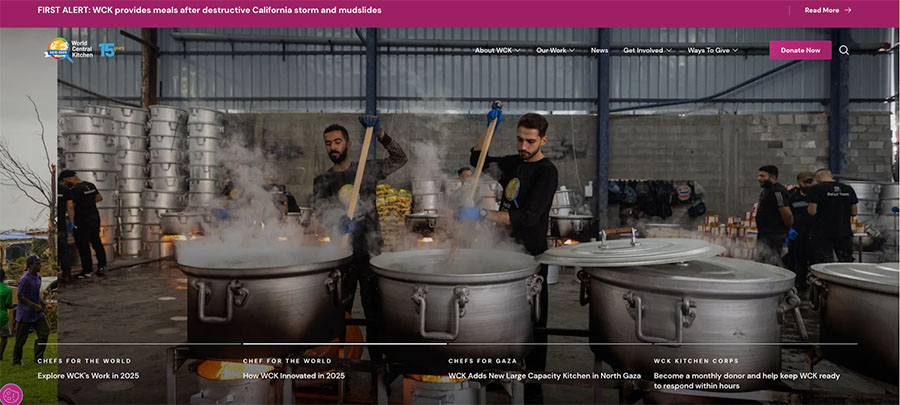
World Central Kitchen

World Central Kitchen is first to the frontlines providing fresh meals in response to humanitarian, climate and community crises

A short list of their missions include Haiti following a devastating Earthquake, Puerto Rico after Hurricane Maria, Houston after Hurricane Harvey, Ukraine, Gaza, and the US Border 


Support WCK’s Ability to Provide Meals Here


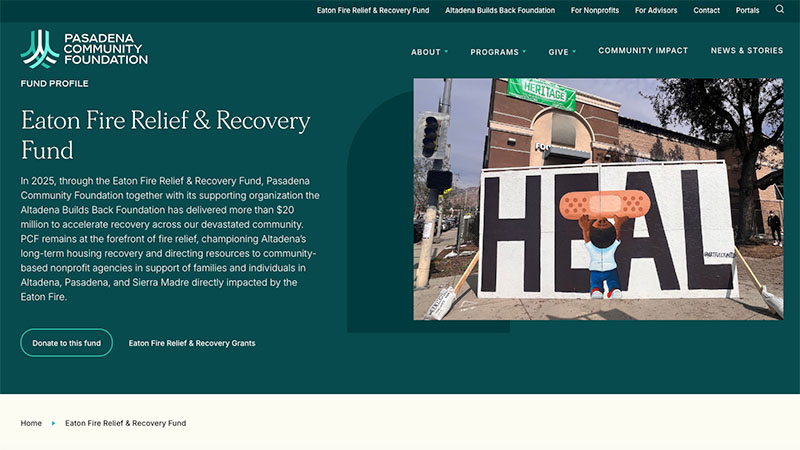
Pasadena Community Foundation

LA wildfires burned 57,000 acres and destroyed more than 16,000 structures earlier this year. Communities have been devastated. Of the thousands of homes that were lost, navigating the process of rebuilding is still a long road ahead even as the year closes. 

For over 70 years, The Pasadena Community Foundation has been a philanthropic partner helping to get funds into the right hands. Their Eaton Fire Relief and Recovery Fund has delivered more than $20 million to accelerate recovery across devastated communities across Pasadena, Altadena and Sierra Madre.


Donate to the Recover Process Here


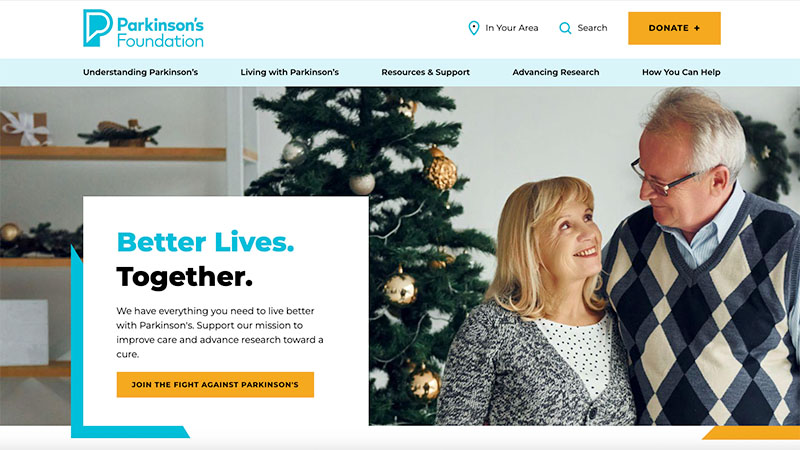
Parkinson’s Foundation

Parkinson’s is a neurodegenerative condition that affects over 1 million people in the United States alone with no known cause. The Parkinson’s Foundation and the research they fund brings us closer to finding the cause and treatments every year. 

The foundation provided genetic testing and counseling to nearly 18,000 people at no cost in 2024. This uncovered that 13% of people diagnosed may have a genetic link to the condition. 


Support The Parkinson’s Foundation Here


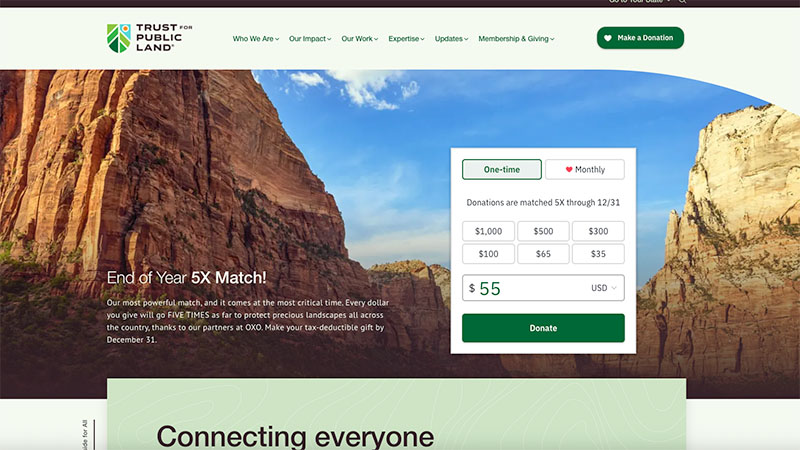
Trust for Public Land

This organization has a simple mission; connecting everyone to the outdoors

Access to nature is essential to our happiness, health, and well-being. Yet in the U.S., about one in three people, including 28 million children, don’t have a quality park close to home.

Trust for Public Land partners with communities across the country to change that. Since 1972, they’ve created thousands of parks and protected millions of acres of public land where it’s needed most.


Support Their Work Connecting People to the Outdoors Here


We’re proud to have been able to support these organizations. If you have an organization close to your heart that we haven’t listed, please share it with us in the comments below.

Annual Food & Beverage Symposium 2025

On November 4th, Diamond Nutriceutical attended the Annual Food and Beverage Symposium at The Preserve in LA. It was an event hosted by Naturally LA, an organization that focuses on advising startups and small businesses in the natural products space. We take part to stay on top of the latest products as well as stay current on best practices. 

This year’s symposium was an evening where the top leaders in the health food products space discussed the next steps. Once you have a great product, how do you get it into even more hands? Here are a few key points from the panel. 

Planning

New companies start all the time so founders and investors shared the pitfalls specific to launching and sustaining businesses around healthy foods and supplements. 

Overall, they emphasized spending wisely, investing in the right marketing, and how to find the right partners and vendors. 

Staying Honest

Next, panelists talked about keeping the promises brands make to consumers. Once you earn trust, it’s important to make every decision in that context. 

At every step you take, make sure to be honest with your customers. 

Health is Important to a Startup (Just Like Your Body)

Something that’s underdiscussed for the health of a company or startup is finding the right kinds of investors. Sure investment is money and that gives you the opportunity to expand or create new products. 

But at what cost? Investors have their own interests so it’s important to carefully investigate the conditions of any investment and to ensure your interests align with potential investors. 


Questions to consider


  • What are their timelines for how long they’ll stay invested in your company? 
  • What kind of partnership do they want? 
  • How long do they plan to keep the founders around for? 
  • How often do they change founders at previous businesses? 


However, investors do have their own concerns. Some questions investors typically ask of health startups. 

  • Are you omnichannel?
  • Do you have good cashflow?
  • What are your sales, revenue, profits?
  • Do you have brand loyalty?

Use Tools

Startups often have a founder involved in every part of the business so panelists discussed transitioning towards a position where you can delegate more. 

Multiple tools are available such as fractional leadership CMOs/CFOs, AI Agents and enterprise software. 


In short, those were some of the major takeaways from this year’s Food and Beverage Symposium hosted by Naturally LA. 


Food and Nutrition Conference and Expo 2025

This past week we attended the Food and Nutrition Conference and Expo, an event where dietitians and nutritionists gather to further their education, stay up-to-date on the latest trends and learn about emerging industries. The overall goal is to better understand how food affects our health.


So with this said, let’s cover some of the major themes and events of what’s new in Food and Nutrition for 2025.

Nutrition as a Science Rather than a Lifestyle.


Sessions covered topics including food recommendations as part of medical advice. Building on that, speakers pondered whether AI could crunch the combinations of needs and nutrients to build precise individual diets tailored to our health needs.

Nutrition at the Cutting Edge of Science


Building on the theme of food as “medicine,” there’s a wave of new studies focused on understanding food’s potential in managing mental wellness, ADHD, cancer, substance use recovery, and sarcopenia.

A major example cited was the ketogenic diet being used for certain neurological disorders. 

Culture in the Kitchen


The effects of race and culture and nutrition were another theme that professional dietitians and nutritionists are exploring.

AAPI, South Asian, Black and Latino communities have cultural nuances that result in unique health outcomes that researchers hope to address and solve.

Furthermore, there is only 6% male representation in dietetics so there is concern that the field could continue to be seen as a “gendered profession”

Sustainability, Food Systems and Consumer Trends

A final area of exploration at this year’s FNCE was how culture and food choices connect to the environment.

Events examined how climate- and budget-friendly ingredients such as cabbage, beans, resilient grains, and even edible “weeds” can be creatively integrated into contemporary meals to boost both nutrient density and deliciousness.

So those are 4 trends affecting our relationship with food and nutrition in 2025.


Diamond Nutriceutical at Supply Side West 2024

This past week, the top suppliers and experts in supplements and raw materials gathered at the Mandalay Bay in Las Vegas for the biggest yearly event on the subject, Supply Side West. Diamond Nutriceutical attended as part of our ongoing efforts to source better and more environmentally-friendly ingredients. This includes attending conferences and presentations by suppliers as well as meeting with our existing suppliers to advocate for higher standards in quality and sustainability.

 

Numerous presentations on the latest breakthroughs in health, quality-of-life and environmental impact were held that focused on these key areas:

Sustainability

Many of Best in Nature’s products have now been switched to post-consumer recycled plastic. Supply Side 2024 presented new information on sourcing more sustainable ingredients, ways to introduce UPcycling into an organization’s sustainability plan and developing performance indicators to avoid greenwashing.


Diversity

Diversity is another topic that Supply Side 2024 tackled by asking how we can better serve the unique needs of various communities. For example, clinical trial data often is heavily weighted towards men. As an industry, we discussed how we can provide more helpful data to serve women and people of different backgrounds.


Another challenge is that as the US population diversifies, there are more types of diets to account for when providing health supplements or testing how things may interact.


Quality and Manufacturing

Suppliers also focused on showing new ways to provide transparency in the supply chain. This way, companies and individuals can know more about ingredient sourcing, preventing adulteration.


GLP-1 Patients and Their Needs


With the widespread popularity of Ozempic and other GLP-1 class drugs, several industries are looking at how to serve the needs of patients taking them given Ozempic’s effects profile.


Experts discussed how to help patients 

  • Preserve lean muscle mass
  • Prevent or manage gastrointestinal side effects
  • Control blood sugar
  • Learn intermittent fasting to maintain weight loss after GLP-1 courses.
  • Maintaining skin integrity and elasticity to prevent “Ozempic-Face”
  • Maintaining sufficient nutrients while eating fewer calories


Bark Park

To lighten things up, there was also a litter of 8 puppies guests were allowed to visit who were allowed to visit and play with who were all up for adoption.


An assortment of natural sugar substitutes

Comparing Natural Sugar Substitutes: Agave Nectar, Honey, Stevia, Allulose, Monk Fruit Sweetener

As people increasingly recognize how unhealthy sugar can be, sweet substitutes are stepping forward to try to take sugar’s place. Most don’t match sugar’s combination of taste, texture, and cooking qualities so there are minor compromises that matter more or less depending on your needs and preferences. Let’s take a look at some of the most popular natural sugar substitutes in terms of health, taste, and use case.


Monk Fruit Sweetener

Monk Fruit Sweetener

What is Monk Fruit Sweetener?

The monk fruit also known as lo han guo in its native China is a small, round fruit that belongs to the same family as gourds like pumpkin and squash. The fruit’s sweetness comes from natural antioxidant compounds called mogrosides. Monk fruit sweeteners are made by crushing the fruit, extracting the liquid and filtering out the mogrosides. The final products can be found in liquid and powdered forms.

How Monk Fruit Sweetener Tastes

Our experience sampling monk fruit sweetener on its own is that it has a pleasant sweetness with a slight lemony tang. However, some people report experiencing an aftertaste.

How Sweet are Monk Fruit Sweeteners?

The pure fruit extracts are 250 times sweeter than sugar so they’re often blended with other sweeteners or bulking agents. As a result, the exact sweetness of different versions or brands of monk fruit sweetener will vary.

Monk Fruit Sweetener and Health

Natural:  Monk fruit sweetener is natural and free of chemicals and additives unlike other sugar substitutes like saccharin or aspartame.

Gut Health: Recent research published in PubMed, suggests that the mogrosides in monk fruit sweetener may act as a prebiotic thus helping to increase the prevalence and activity of probiotic bacterial strains in the gut.

Antioxidant and Anti-Inflammatory: According to this study, mogrosides seem to inhibit oxygen reactive species and neutralize free radicals. In other words, they have antioxidant and anti – inflammatory properties.

Blood-Glucose Management: Monk fruit doesn’t spike blood sugar levels and is generally considered safe for those with diabetes. In fact, it may even lower blood glucose levels.

Weight Management: Monk fruit sweeteners don’t metabolize in the body and thus don’t provide any calories. As a result, they could be a tool for weight management.

Best Uses for Monk Fruit Sweeteners

Tea: Because of the slightly fruity and lemony flavor we picked up on, one of the best uses for monk fruit is sweetening tea.

Oatmeal and Yogurt: The fruity notes of this sweetener should also complement oatmeal or yogurt.


Honey

Fresh Honey Comb

What is Honey?

Honey is a sweet fluid honeybees make using the nectar of flowering plants to store in their hives and consume through the winter. Bees process the nectar by adding enzymes that chemically alter the sugar molecules, and removing most of the moisture from the solution. This results in the thick, syrupy sweetener that you often see in bear-shaped bottles.

There are about 320 different varieties of honey with different colors, odors and flavors. Honey is mostly sugar but it does have some vitamins and antioxidants.


How Honey Tastes

Honey is mostly sugar and is described by most people as just sweet. Depending on the nectar sources, though, honey can be described as floral, fruity, smoky, woody, spicy, nutty or earthy. There is also an emerging industry of flavored or spiced honey products.

How Sweet is Honey

Honey is about 25% sweeter than table sugar.


Honey and Nutrition

Natural: Honey is certainly one of the most natural and least processed on this list but that doesn’t make it necessarily healthy. Honey is still almost pure sugar.

Antioxidants: Honey does contain some antioxidants making it slightly protective against metabolic syndrome and diabetes.

Wound Healing: Honey has some antibacterial properties and has been used for wound healing.

Propolis: Raw varieties of honey contain propolis which might improve cholesterol and triglyceride levels.


Best Uses for Honey

Honey has the widest number of common uses on this list.

Some of the most popular ways to use honey are:

Marinades: Honey has a flavor that complements many other marinade ingredients by adding a counterpoint to their acidity.

Tea: Honey makes a great addition to tea especially when you have a sore throat. The floral qualities of honey go really well with most teas, especially herbal ones and it can act as a cough suppressant.

Smoothies: Mix honey into a smoothie for some added complexity.

Charcuterie: Honeycomb, can tie together a charcuterie board pairing especially well with strong cheeses.

Baking: It adds a nice flavor to baked goods but because it’s liquid and sweeter than sugar, some adjustment to recipes is needed.

Personal Care: Unlike others on this list, honey is also widely used in personal care products including face wash, lip balms, shampoos and body washes.


Agave Nectar

Agave Nectar

What is Agave Nectar?

The agave plant has a long history of use in Mexico. Historically, it was believed to have medicinal properties and today its biggest commercial use is for tequila. To produce agave nectar or agave syrup, the plant is first cut and pressed to extract the sugary sap.

The sap is heated slowly at low temperatures until the carbohydrates are broken down into sugar.


How Agave Nectar Tastes

After going back and forth between sugar crystals and a mainstream brand of agave nectar sweetener, we couldn’t nail down any meaningful difference in taste. However, there are variations such as raw, amber and light agave all having differences in taste.


How Sweet is Agave Nectar?

Agave nectar is reported to be about 1.5 times as sweet as sugar but it can vary slightly by type.


Agave Nectar and Nutrition

On this list, agave nectar is one of the most similar to sugar and is similarly unhealthy. The major health benefit that agave nectar touts is having a low glycemic index and thus not spiking blood sugar levels. But health is much more than glycemic index. Agave nectar is exceedingly high in fructose which can be extremely disruptive to your metabolic health and may contribute to insulin resistance, metabolic syndrome, heart disease, and type 2 diabetes.


 

Best Uses for Agave Nectar

Pancakes and French Toast: Because it comes in a syrup form, it’s pretty natural on pancakes and french toast especially the dark or amber varieties with their caramel notes.

Cocktails: It’s also popularly used in cocktails because it pairs well with tequila, dissolves easily, and a little can go a long way.

Replacement for honey: Some people use it as a replacement for honey but it does have a different viscosity to account for in recipes.


Stevia

Stevia Crystals and Leaves

What is Stevia?

Stevia sweeteners, referred to simply as stevia, are derived from the plant Stevia rebaudiana.

To make stevia sweeteners, the plant’s leaves are first picked and dried and then steeped in hot water. Then, the hot water is filtered to remove leaf particles and solids. Several more stages of filtering and centrifuging result in a product that is 200-300 times sweeter than sugar because of its potent glycosides. To make it easier to use, finished products on store shelves have additives like maltodextrin, dextrose, inulin, or erythritol added to provide volume.


How Stevia Tastes

Like with the other entries on this list, the taste of stevia sweeteners can vary by brand and type. Generally, stevia has a sharp sweetness that’s more intense than sugar with a quick onset. Some people can pick up on subtle herbal or minty notes from stevia. On the negative side, many people also report a bitter licorice-like aftertaste especially from low quality stevia products.


[READ: Splenda vs Stevia: Which is the Superior Sugar Substitute]


How Sweet is Stevia?

The manufacturing process creates a very potent stevia sweetener but bulking agents bring the sweetness by volume for many stevia products a little closer to sugar.


Stevia and Health

When it comes to health, stevia has a few potential benefits.

Stevia is non-nutritive: it contains almost zero calories so it has potential to be used as part of a weight management strategy.

It might reduce blood pressure: The National Institute of Health cites a multi-center, double-blind, placebo-controlled study using 106 adults with mild to moderate hypertension (baseline diastolic blood pressures ranging from 95–110 mmHg). Participants took 250 mg of stevioside. After 3 months, participants saw their average systolic blood pressure fall from 166.5 mmHg to 152.6 mmHg, and mean diastolic blood pressure decrease from 102.1 mmHg to 90.3 mmHg. You can read more about the study here.

Won’t spike blood sugar levels: As a sweetener that’s calorie free and sugar free, it’s not going to spike blood-glucose levels.


Best Uses for Stevia

Coffee and tea: For people who find the taste palatable, stevia can be good in coffee and tea as it comes in convenient packets.

Baking: There are specific stevia sweeteners made for baking so that substituting it for sugar is easier. But many suggest using at least ¼ cup of sugar in baked goods to retain the taste and texture since stevia doesn’t caramelize. There are also numerous online guides on how to successfully replace sugar with stevia.

Replacing less apparent sugars: many food items like salad dressing, tomato sauce, soups and side dishes have sugar that you can try replacing some or all of with stevia.


Allulose

Fruit from which allulose sweetener is derived.

What is Allulose?

Allulose is what is known as a rare sugar because it is naturally present in only a few foods like figs, dates, raisins, grapes, and maple syrup. However, commercial allulose is made by converting fructose, which is found in corn and other plants, to allulose.

On a chemical level, it is the same as fructose but with a different arrangement that results in the body metabolizing it differently.


How Allulose Tastes

Allulose reportedly tastes pretty much like regular sugar and in a study of 16 sweeteners was rated as one of sugar’s most viable replacements.


How Sweet is Allulose?

Although many people find that allulose tastes similar to sugar, it’s not quite 1:1 in sweetness. Allulose is only about 70% as sweet as regular sugar.


Allulose and Health

Allulose is a newer sweetener with some promising health benefits.

Calories: Allulose mostly doesn’t get metabolized in the body and simply leaves the body through urine unchanged , but it’s not exactly zero-calorie or non-nutritive. It provides approximately 10 percent of the calories of sugar at 0.2–0.4 calories per gram.

Blood-glucose levels: Another benefit of the fact that allulose doesn’t metabolize is that it won’t spike insulin levels. Unexpectedly, it’s actually been found to improve blood glucose levels in those who don’t have diabetes.

Allulose won’t cause tooth decay: Bacteria and plaque metabolize sugar and release acids that damage tooth enamel and cause tooth decay. Allulose doesn’t get metabolized this way and is better for your teeth as a result.


Best Uses for Allulose

Baking: One of the absolute best uses for allulose is in baking since it bakes and caramelizes much the same way as regular sugar. However, because it’s not quite as sweet as sugar, some adjustments might need to be made.

Caramel: Allulose can also be used to make caramel though the timing and smoke point will be different so monitor it carefully.

Frostings, puddings and jams:

Even for intricate sugar manipulation in confections, allulose is generally up to the task. In these cases, allulose might even work better since it doesn’t crystallize.


Bottom Line

There might not be one perfect sugar substitute. Each of them has different strengths in terms of price, taste, health or how you plan to use them. Hopefully this guide has helped you decide which one is right for your use case.


Originally posted on Best in Nature